
Environment · August 11, 2026
The return of the Caspian tiger: how a species feared extinct has come back to Kazakhstan
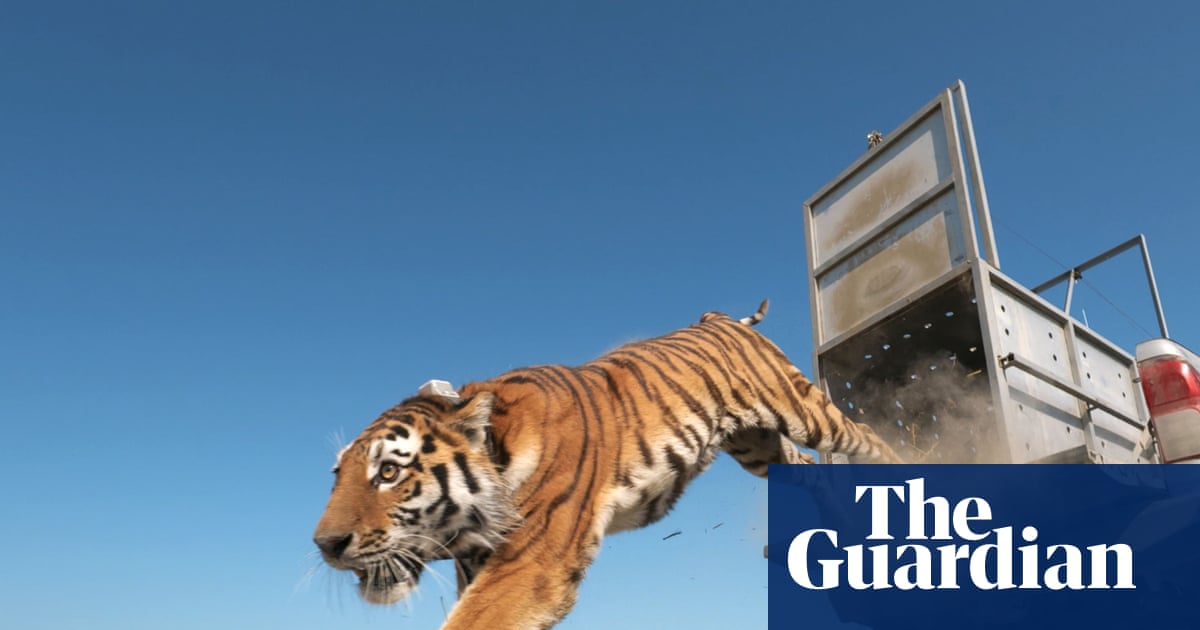
On 31 July, a wild-caught female tiger named Umit — the word means hope in Kazakh — was released into a nature reserve on the edge of Lake Balkhash, the culmination of more than a decade of preparation by conservationists. The Guardian reports that with this release Kazakhstan became the first country to restore its tiger population after the animal had been considered extinct there, with the last reliable sighting in the country recorded more than 70 years ago.
Umit was brought from the Russian far east, and she is expected to be joined by more big cats in the coming years as part of a plan to establish a self-sustaining population of about 50 tigers. A wild-caught male flown from Russia is still being monitored by authorities and will be released when he is judged fit to survive alone, and two wild tiger cubs are also being prepared for release, according to the report.
The return of a large predator to its former range is a rare piece of encouraging conservation news, and one that required cooperation across borders. It also shows how patient, science-led planning can reverse a loss that once seemed permanent — a reminder of what is possible when governments and conservation groups commit to a single species over many years.
Source: The Guardian — we surface this reporting; the journalism belongs to the publisher.