
Climate · August 14, 2026
The EPA's data on cancer risk from air pollution has gone dark
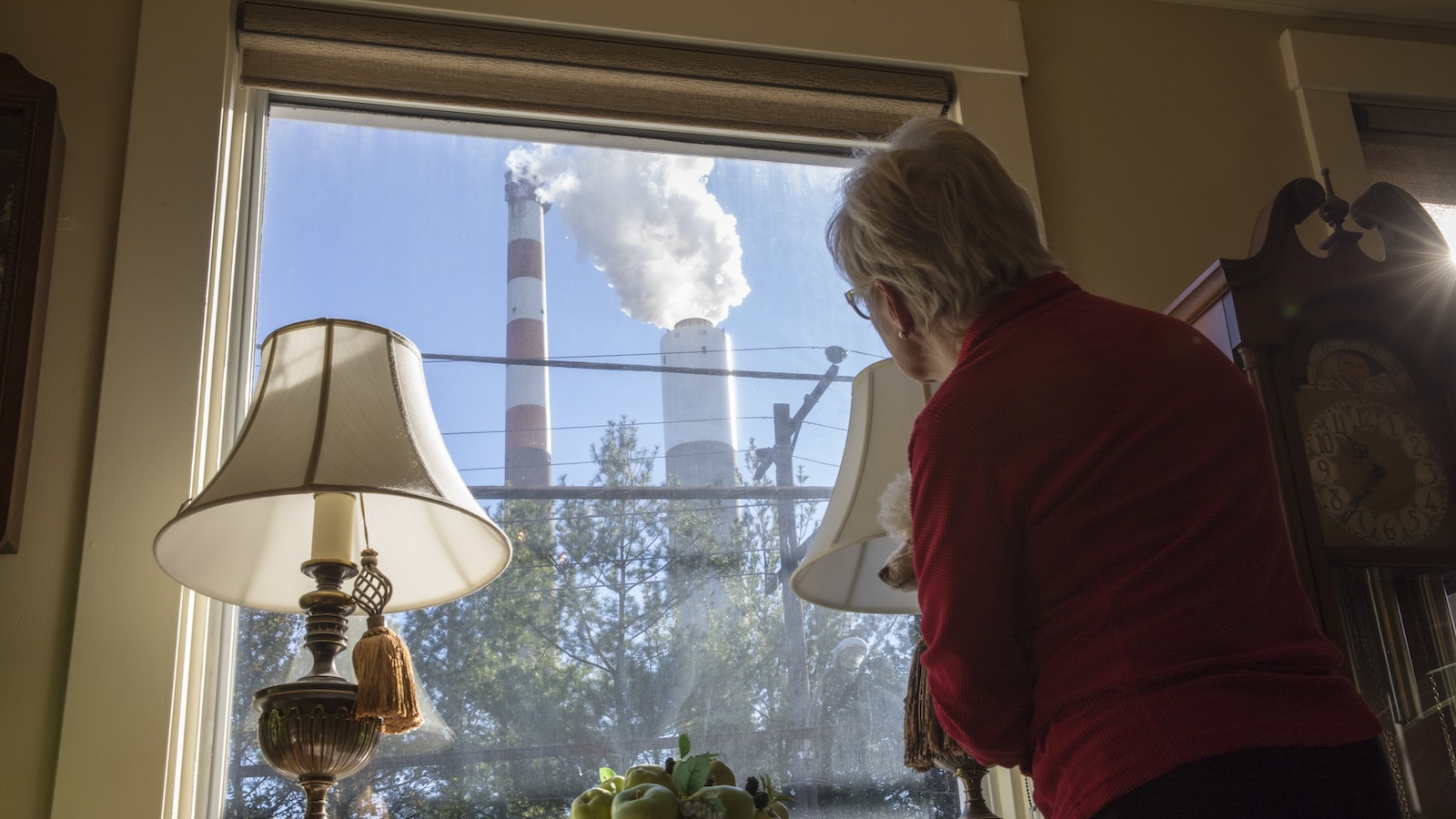
For more than two decades, the Environmental Protection Agency published estimates of the added cancer risk from breathing polluted air alongside its national emissions figures. Grist reports that in this year's update to the national air-toxics data, those risk estimates are missing: the agency is still releasing raw pollution numbers, but it is no longer translating them into the cancer-risk figures communities relied on, and it has not refreshed its searchable map of cancer risk from air pollution.
Those assessments did quiet, practical work. A researcher at the Union of Concerned Scientists used them to map pollution from medical sterilization plants that emit ethylene oxide, a potent carcinogen, finding more than 14 million people living within five miles of such facilities and identifying 23 plants whose emissions regulators had found clearly raised cancer risk. Maps like that one helped neighborhoods understand what was in their air and gave journalists and advocates the evidence to press for tighter limits.
Without the official risk translation, the burden of interpreting dense emissions data falls on residents themselves, a technically demanding job that requires specialist knowledge of the agency's methods. As Grist's reporting notes, the people with the most to lose are those living closest to concentrated sources of pollution, who now face a bureaucratic gap between the raw numbers and what those numbers mean for their health.
Source: Grist — we surface this reporting; the journalism belongs to the publisher.